Winter Sports Club Insurance: Is Your Club Ready for the Colder Months?
Winter can be a challenging time for sports clubs. One minute you’re preparing for the weekend’s fixtures, the next you’re dealing with a waterlogged pitch, frozen pipes or a clubhouse that’s taken a battering in the latest storm.
For the people running grassroots clubs, there’s already plenty to think about without the weather adding to the workload.
While you can’t control what the British winter throws your way, there are a few things you can do to make life easier and help protect your club, its members and facilities.
At Mann Broadbent, we work with sports clubs across the UK, so we know how much time and effort goes into keeping them running. With the colder months upon us, now’s a good time to check that your club is prepared and that your insurance still meets your needs.
Keeping Your Club Safe When Temperatures Drop
Icy paths, slippery car parks and wet changing room floors might seem like everyday winter problems, but they can quickly lead to accidents.
Whether it’s a player arriving for training, a parent watching from the sidelines or a volunteer opening up the clubhouse, clubs have a responsibility to take reasonable steps to keep their premises safe.
A few simple precautions can make a difference. Keeping pathways clear, gritting areas prone to ice and checking that entrances are safe can all help reduce the chance of someone getting hurt.
It’s also worth taking another look at your club’s public liability insurance.
If someone is injured and your club is found legally responsible, public liability insurance may help with the costs of a claim, depending on your policy.
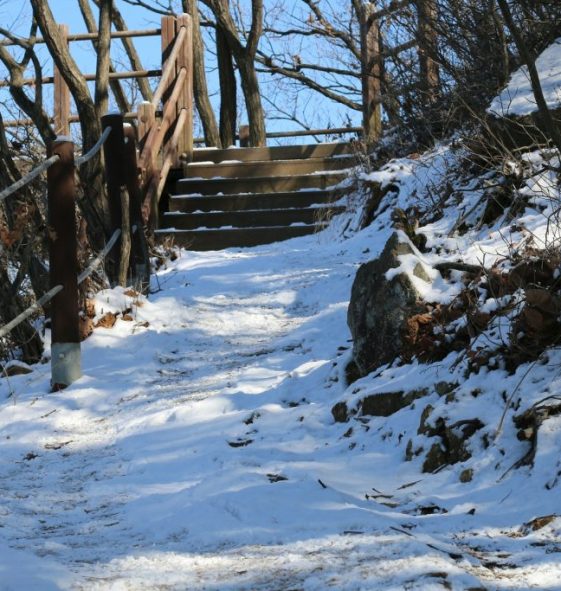
Keeping Your Club Safe When Temperatures Drop
Icy paths, slippery car parks and wet changing room floors might seem like everyday winter problems, but they can quickly lead to accidents.
Whether it’s a player arriving for training, a parent watching from the sidelines or a volunteer opening up the clubhouse, clubs have a responsibility to take reasonable steps to keep their premises safe.
A few simple precautions can make a difference. Keeping pathways clear, gritting areas prone to ice and checking that entrances are safe can all help reduce the chance of someone getting hurt.
It’s also worth taking another look at your club’s public liability insurance.
If someone is injured and your club is found legally responsible, public liability insurance may help with the costs of a claim, depending on your policy.

Don’t Let Frozen Pipes Catch You Out
If your clubhouse or pavilion isn’t used every day during winter, it’s worth keeping an eye on the plumbing.
Frozen pipes can cause serious damage when they burst, and the last thing any club needs is to arrive for a weekend fixture and discover a flooded changing room.
Making sure exposed pipes are insulated, checking the heating and arranging for someone to look in on the building during longer closures can help prevent problems. It’s also worth checking your clubhouse insurance, as some policies have specific conditions about heating and inspections when buildings are left empty.
A little preparation now could save a lot of disruption later.
When Winter Weather Takes Its Toll on Your Facilities
Strong winds, heavy rain and freezing temperatures can all leave their mark on sports facilities.
From damaged fencing and leaking clubhouse roofs to broken floodlights and waterlogged pitches, repairs can be expensive, particularly for smaller clubs working with tight budgets.
Before the worst of the weather arrives, take some time to walk around your grounds. Check for loose fencing, clear gutters where it’s safe to do so and make sure portable equipment is properly secured.
It’s also a good opportunity to check what’s actually included in your insurance.
For example, your clubhouse might be insured, but does your policy also cover your storage shed, outdoor equipment or playing surfaces?
Not everything is automatically included, so it’s worth asking the question before you need to make a claim.
What Happens When Bad Weather Stops Play?
Anyone involved in grassroots sport knows how frustrating winter cancellations can be.
You’ve organised the teams, arranged officials and prepared everything for the weekend, only for a frozen or waterlogged pitch to put a stop to proceedings.
For some clubs, a cancelled match is simply an inconvenience. For others, particularly those organising tournaments or larger events, it can mean losing money.
It’s important to remember that standard sports club insurance doesn’t necessarily cover the financial impact of cancelled fixtures.
If your club organises events where a cancellation could leave you out of pocket, it may be worth looking into specialist event cancellation insurance.
The cover available will depend on the event and the policy, so it’s best to have that conversation well in advance.
Looking After Players, Coaches and Volunteers
Winter training brings its own challenges, particularly when pitches are slippery, visibility is poor or temperatures are close to freezing.
Nobody wants to cancel a training session unnecessarily, but sometimes the sensible decision is to change the activity, move indoors or call it off altogether.
Regularly checking playing conditions and making sure coaches feel confident about making those decisions can help keep everyone safe.
It’s also worth understanding what your club’s insurance does and doesn’t cover when someone gets injured.
Public liability insurance and personal accident insurance serve different purposes. Public liability insurance may help if your club is legally responsible for an injury, whereas personal accident insurance can provide certain benefits following an accidental injury, depending on the cover arranged.
If you’re unsure what protection your players, coaches or volunteers have, speak to your broker.
Is Your Clubhouse Empty Over Winter?
For seasonal clubs, winter often means locking up the clubhouse and waiting for the new season to begin.
But an empty building can bring additional risks, from theft and vandalism to unnoticed leaks and storm damage.
If your premises are going to be unused for several weeks or months, check what your insurance policy says about unoccupied buildings.
Some insurers have requirements around security, heating and regular inspections, so it’s important to know what’s expected.
It’s also worth making sure someone is keeping an eye on the property, even if there’s no sporting activity taking place.

Moving Training Indoors? Check You’re Still Covered
When outdoor pitches become unplayable, moving training to a local sports hall or indoor facility can be a great way to keep things going.
However, if your club is using a different venue or trying new activities, it’s worth checking that your existing insurance covers those arrangements.
You might already have the protection you need, but a quick conversation with your broker can help avoid any surprises.
The same applies if your club takes on additional coaches, purchases new equipment or changes how it operates over winter.
A Quick Winter Check Could Make All the Difference
Running a sports club takes a lot of hard work, and for many clubs, much of that work is done by volunteers giving up their own time.
Insurance might not be at the top of your to-do list when you’re juggling fixtures, facilities and members, but taking a little time to review your cover could make a real difference if something goes wrong.
Before winter really sets in, it’s worth asking yourself:
- Are our clubhouse and equipment properly insured?
- Have we checked our grounds for winter hazards?
- Do we know what happens if a fixture or event is cancelled?
- Are our players, coaches and volunteers appropriately protected?
- Have we told our insurer about any changes to our activities or facilities?
If you’re unsure about any of these, now’s a good time to find out.
Need a Hand with Your Sports Club Insurance?
At Mann Broadbent, we understand that every sports club is different. A small village cricket club won’t have the same requirements as a busy football club or a multi-sport facility, which is why it’s important to have insurance that reflects how your club operates.
Whether you’re reviewing your existing cover, preparing your facilities for winter or simply want to check that nothing has been overlooked, our team is here to help.
Get in touch with Mann Broadbent to discuss your sports club insurance and make sure you’re ready for whatever winter brings.