7 Key Insurance Considerations for Ultra Race Organisers Running Events Overseas
For UK-based ultra race organisers, taking an ultra event overseas creates a very different risk profile from running a domestic road race or trail event. Remote terrain, extreme weather, long race durations and reliance on local suppliers can all create additional exposures.
Here are seven insurance areas organisers should consider when planning an international ultra.
1. Public Liability Insurance
Public liability is one of the most important covers for any race organiser. It can protect the business if a participant, spectator, landowner or other third party alleges that the organiser’s negligence caused injury or property damage.
For ultra races, the exposure can be significantly greater than at a conventional running event. Courses may cross mountain trails, deserts, forests, private land, or remote villages, often over many hours or even several days.
Organisers should make sure insurers understand the nature of the event, including:
- Race distances and participant numbers
- Terrain and elevation
- Night running
- River crossings or technical sections
- Expected weather conditions
- Aid-station arrangements
- The experience level required of competitors
The more accurately the risk is presented to insurers, the easier it is to ensure the policy is designed around the actual event rather than a generic sporting activity. This also allows insurers to ensure they provide a strong and clear policy wording and pay out if a claim ever arises.
2. Employers’ Liability and Staff Working Overseas
Ultra races often depend on a sizeable operational team, including race directors, course managers, medics, logistics staff, photographers, and support crews.
Where UK employees travel overseas to help deliver an event, organisers should check that their existing insurance arrangements continue with employers’ liability while those employees are working abroad.
It is important to understand which individuals are considered employees, contractors, or volunteers and who is responsible for insuring them. Contact us to discuss who is covered by your insurance policy.

3. Medical, Rescue and Evacuation Arrangements
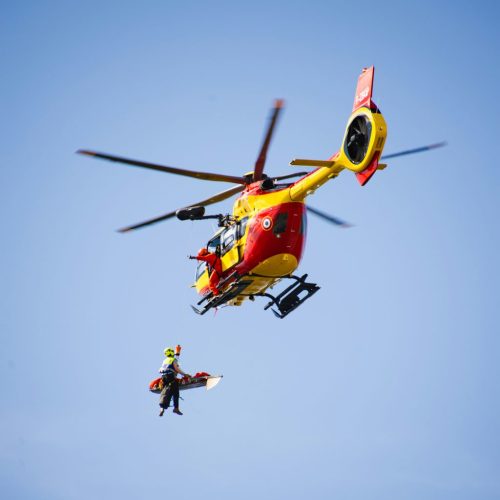
Medical planning is particularly important in ultra-racing because participants may be many miles from a road, hospital, or conventional emergency service due to the isolated, wild nature of these events.
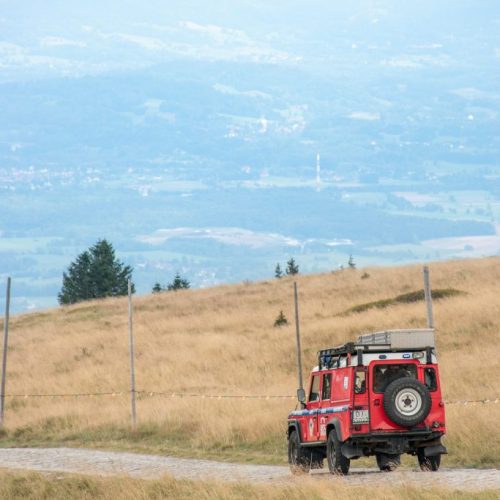
An incident during a mountain ultra, desert race, or remote trail event may require specialist rescue rather than a standard ambulance response. This can cost significant amounts if the event is not insured correctly.
Organisers should consider how incidents would be managed if a participant needed:
- Mountain or wilderness rescue.
- 4×4 evacuation
- Helicopter evacuation
- Emergency treatment
- Hospital transfer
- Repatriation
It is also important to establish where the organiser’s responsibilities end and where a participant’s own travel or medical insurance begins.
If you are a participant, purchasing the correct sports travel insurance can also provide an extra layer of security for evacuation and repatriation costs.
Race entry terms should clearly explain any requirement for competitors to hold their own insurance, particularly where helicopter rescue or overseas medical treatment could result in high costs.
4. Event Cancellation
Ultra races can be particularly exposed to cancellation because they often take place in environments where conditions can change rapidly.
Wildfire, extreme heat, flooding, storms, landslides or heavy snowfall can make a route unsafe or inaccessible. Local authorities may also withdraw permission if conditions deteriorate.
For overseas events, additional risks may include:
- Airport disruption
- Border closures
- Civil disturbance
- Government restrictions
- Loss of access to a national park or protected area
- Failure of a key local supplier
A cancelled race can leave the organiser with substantial costs already committed to accommodation, transport, staffing, permits, suppliers and marketing.
Cancellation or abandonment insurance may help protect against certain losses, subject to the policy wording and exclusions.
5. Equipment and Kit in Transit
International ultra races often involve moving a surprising amount of equipment between events.
Depending on the race, organisers may transport:
- Timing systems
- Radios and satellite communication equipment
- GPS trackers
- Course signage
- Start and finish infrastructure
- Medical equipment
- Generators
- Lighting
- Laptops and cameras
- Branded event
Standard business insurance may not automatically cover equipment while it is being transported internationally or stored at an overseas location.
Organisers should therefore check whether cover applies while equipment is in transit, held by a freight company, stored before race day or being used during the event.
This becomes increasingly important for organisers running a calendar of races across several countries.
Mann Broadbent has dealt with several events overseas which have resulted in loss of equipment. Without a solid insurance policy, these businesses and participants would have been facing major financial losses and reputational damage.
6. Local Contractors, Volunteers and Suppliers
International ultras are rarely delivered entirely by a UK-based team.
Organisers may rely heavily on local businesses and individuals for transport, catering, medical support, route access, accommodation and logistics.
A key question is what happens if one of those suppliers causes an incident or fails to deliver a critical service.
For example, an organiser might contract with a local transport provider to move runners from the finish area. If the provider is involved in an accident, responsibility and insurance arrangements need to be clear.
Organisers should consider checking:
- Whether contractors hold their own liability insurance;
- The limits of that insurance;
- Whether the cover is valid for the activity being undertaken;
- Contractual indemnities; and
- Whether the organiser’s policy provides any protection if the contractor’s insurance is inadequate.
Clear contracts and evidence of insurance can be particularly important where the organiser is working with suppliers for the first time.

7. Country-Specific Requirements
Perhaps the most important issue for organisers with an international race calendar is understanding exactly where their insurance applies.
A UK policy may provide worldwide cover, but that does not necessarily mean every country, activity or legal jurisdiction is automatically included.
Some territories may be excluded or subject to different conditions. Certain countries may also require insurance to be purchased locally or may impose specific minimum limits before an event permit is granted.
Organisers should tell their broker about every country in which they expect to operate during the policy period.
For a growing race business, it can make sense to review the full annual calendar rather than approaching each event separately. That gives insurers a clearer picture of the organisation’s overall exposure and can help reduce the risk of gaps appearing as new races are added.
Secure your overseas ultra race insurance with Mann Broadbent
Ultra races present a combination of risks that are very different from those faced by conventional businesses or even many other sporting events.
For UK organisers delivering races around the world, insurance should reflect the terrain, participants, locations, operational model, and emergency arrangements behind each event.
Mann Broadbent works with businesses and insurers in the sports, leisure and outdoor sectors and can help organisers review the risks associated with an international ultra race programme. Get in touch with Mann Broadbent by clicking here to discuss your Ultra Race Insurance needs.