Making a Splash Without Making a Claim: 7 Tips for Public Swimming Pool Operators
Running a public swimming pool isn’t always plain sailing! From slippery poolside surfaces to unexpected equipment breakdowns, here are seven tips to help keep your facility safe, your swimmers happy and your business protected.
There’s nothing quite like a busy swimming pool. The sound of splashing, children enjoying their swimming lessons and the occasional missing pair of goggles!
But behind all the fun, running a public swimming pool comes with some serious responsibilities. While accidents can’t always be avoided, there are plenty of ways to reduce risks and help prevent costly claims, so before you dive into another busy day, here are seven tips to help keep things swimmingly!
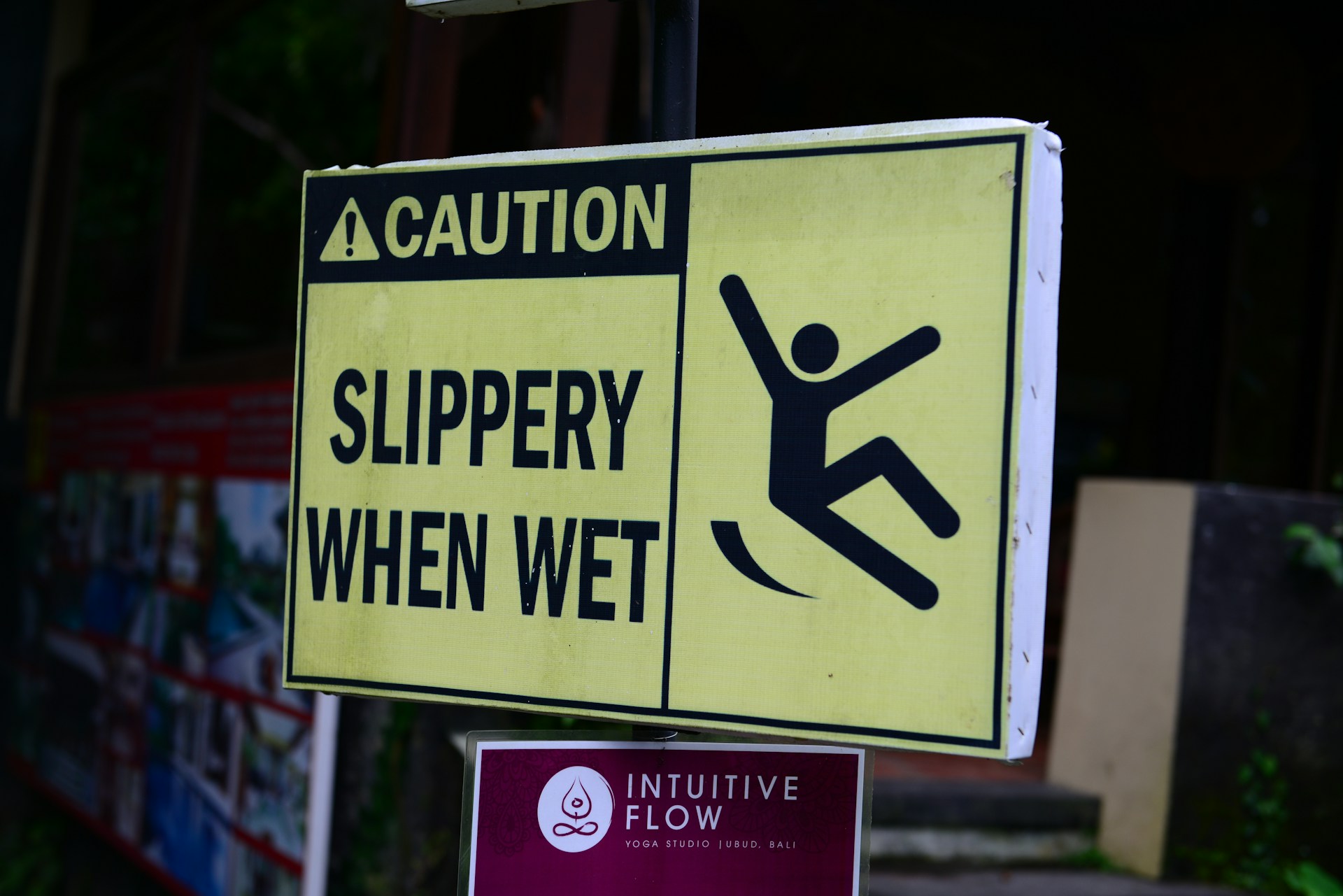
1. Slippery When Wet – Keep Poolside Safety a Priority!
Water and slippery floors aren’t exactly a winning combination. With swimmers moving between changing rooms, showers and poolside areas, slips and trips can happen in seconds.
Regular inspections, slip-resistant flooring, clear signage and prompt cleaning can all help reduce the risk of accidents.
What do we suggest? Keep a record of routine safety checks and address potential hazards before they turn into bigger problems.
2. Lifeguards Are Your Poolside Superheroes!
They might not wear capes, but lifeguards play a vital role in keeping swimmers safe.
Ensuring your team has appropriate qualifications, regular training and clear emergency procedures can make all the difference when something unexpected happens.
Staffing and supervision should always reflect your pool’s risk assessments and relevant safety guidance.
What do we suggest? Schedule regular emergency drills so your team knows exactly what to do when every second counts; this will allow them to be confident and aware of how to act if a genuine problem occurs.
3. Don’t Let Equipment Problems Sink Your Day!
Imagine a fully booked day of swimming lessons, only for your pool’s heating system to stop working. Not exactly what your customers had in mind! This could lead to business interruption, damaged reputation, and large repair/replacement costs.
Pumps, filters, heating systems and water treatment equipment are essential to keeping your pool operational.
Regular maintenance and servicing can help identify issues before they result in costly repairs or unexpected closures.
What do we suggest? Check whether your insurance includes appropriate equipment breakdown and business interruption cover, as these protections aren’t automatically included in every policy. If you are unsure, please get in touch with Mann Broadbent to discuss.
4. Keep Your Water Crystal Clear!
Nobody wants their swimming experience to resemble a dip in a murky pond!
Maintaining safe water quality is essential for protecting swimmers and keeping your facility running smoothly. It is also essential for keeping your swimming pool’s reputation intact.
Regular water testing, appropriate chemical management and following recognised pool water treatment guidance can help reduce health risks and unexpected closures.
What do we suggest? Make sure staff responsible for water treatment are properly trained and that testing and maintenance records are kept up to date.

5. Plan Ahead for the Big Splash!
School holidays, swimming galas, children’s parties and community events can all bring extra excitement to your pool, but bigger crowds and different activities can also introduce additional risks.
Before hosting an event, review your risk assessments, staffing requirements, emergency procedures and any relevant insurance arrangements.
What do we suggest? If you’re introducing new activities or hosting an external event organiser, check with your insurance broker that your cover remains suitable.
6. Don’t Forget What’s Happening Behind the Scenes!
While poolside safety often gets the spotlight, there are plenty of risks away from the water too. Changing rooms, reception areas, plant rooms and even online booking systems all need attention.
From keeping customer information secure with cyber insurance and good system security, to maintaining safe access to equipment rooms, good risk management goes beyond the swimming pool itself.
What do we suggest? Carry out regular reviews of your entire facility, not just the poolside areas, and consider whether cyber insurance is appropriate for your operations. You may also want to consider other insurance covers such as directors and officers.
7. Don’t Get Left in the Deep End – Check Your Insurance!
Even with the best safety measures in place, accidents and unexpected incidents can still happen. That’s why having suitable public swimming pool insurance is so important.
Depending on your facility’s needs and policy terms, protection could include:
- Public Liability Insurance – For certain claims involving injury to visitors or damage to third-party property.
- Employers’ Liability Insurance – For certain claims involving employees who suffer work-related injury or illness.
- Equipment Cover – To help protect essential equipment against specified risks.
- Business Interruption Insurance – To help protect against certain financial losses following an insured disruption.
- Cyber Insurance – To help protect against specified cyber-related incidents.
Top tip: Review your insurance regularly, especially if you’ve expanded your facilities, introduced new activities or changed how your pool operates.
Running a public swimming pool should be about creating great experiences for your swimmers, not worrying about what might go wrong.
While good safety practices can help reduce the likelihood of accidents, having the right insurance provides an important additional layer of financial protection.
At Mann Broadbent Insurance, we understand the unique challenges faced by public swimming pool operators and can help you explore insurance options suited to your facility.
So keep the water sparkling, the swimmers smiling and the risks under control!
Ready to make sure your pool isn’t left in the deep end?
Explore Public Swimming Pool Insurance with Mann Broadbent